Steel has been the backbone of industries ranging from construction to manufacturing, energy, and infrastructure. The durability, strength, and performance of any structure heavily depend on the steel used. This is where steel quality check becomes essential. At ITE Noida, we offer world-class steel plate testing services and advanced solutions for industries that demand the highest precision. Our focus is not only on delivering accurate test results but also on making the process human-friendly, transparent, and reliable.
Why Steel Testing Matters
A proper steel test ensures that the material is free of internal defect, meets international standards, and is suitable for its intended purpose. Steel testing is not just about compliance; it is about trust. Industries that invest in robust steel quality check practices gain confidence in their projects and avoid costly repairs or failures in the future.
How to Check Steel Quality
- Visual Inspection: Start with a basic examination for surface cracks, scaling, or rust.
- Magnet Test: Check for reliability in magnetic properties, although this is a very preliminary step.
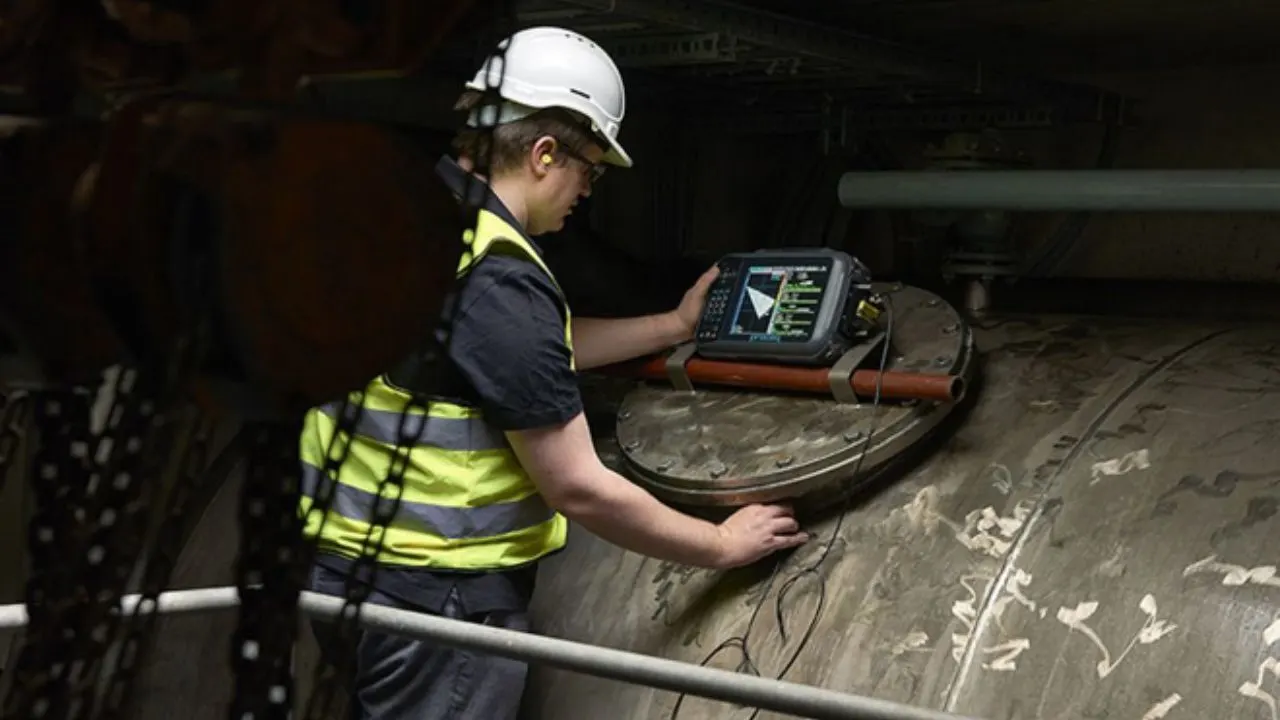
- Laboratory Analysis: ITE Noida offers professional steel plate testing services that include chemical composition analysis, tensile testing, and ultrasonic inspection.
- Certification Verification: Always demand mill test certificates (MTC) from suppliers, which give a breakdown of chemical and mechanical properties.
By combining field checks with advanced lab-based steel testing, industries can ensure their projects run smoothly and safely.
Modern Steel Testing Methods
Over time, technology has given us a wide range of steel testing methods that are accurate, non-destructive, and highly reliable. Some of the most widely used techniques include:
- Ultrasonic Testing (UT): It’s one of the most advanced steel testing methods because it can reveal cracks, voids, and inconsistencies that aren’t visible on the surface. UT is especially valuable in steel plate testing services, ensuring the material is solid through and through.
- Radiographic Testing (RT): Radiographic testing involves using X-rays or gamma rays to inspect the internal structure of steel. This steel test is often applied in critical projects like pipelines, boilers, and aerospace components.
- Magnetic Particle Testing (MPT): MPT is effective in detecting surface and near-surface defects in steel. By magnetizing the steel and applying iron particles, flaws become visible under UV light or white light.
- Tensile Testing: This is a destructive steel testing method that determines the strength of steel by pulling it until it breaks. It helps engineers understand the stress and strain levels the steel can withstand. While it destroys the sample, the data it provides is crucial for designing safe structures.
- Hardness Testing: Hardness tests measure how resistant steel is to deformation. Techniques. They provide valuable insight into the steel’s wear resistance and toughness.
- Impact Testing: Steel’s ability to absorb energy during sudden shocks is evaluated through impact tests like the impact test. This steel test is particularly useful for industries where steel faces extreme conditions such as cold weather or high stress.
ITE Noida is a trusted partner for steel plate testing services. We provide not only accurate results but also peace of mind. With the right steel test, you can be confident that the backbone of your project steel is as strong and reliable as it should be. We offer and provide reliable steel plate testing services for clients across construction, automotive, energy, and infrastructure sectors.