When it comes to ensuring the safety and integrity of industrial components, radiography testing plays a major role. At ITE Noida, we offer and provide advanced NDT solutions designed to help industries maintain product quality, prevent failures, and meet strict compliance standards. Among the many NDT techniques available today, the radiography test remains one of the most trusted and widely used methods because of its accuracy and depth of inspection.
What is Radiography Testing in NDT?
Radiography Testing, often referred to as radiographic ndt, is a non-destructive testing method that uses X-rays or gamma rays to inspect the internal structure of materials. It works similarly to how medical X-rays capture images of bones, but in this case, the technique is used for industrial components such as welds, castings, pipelines, pressure vessels, and structural parts.
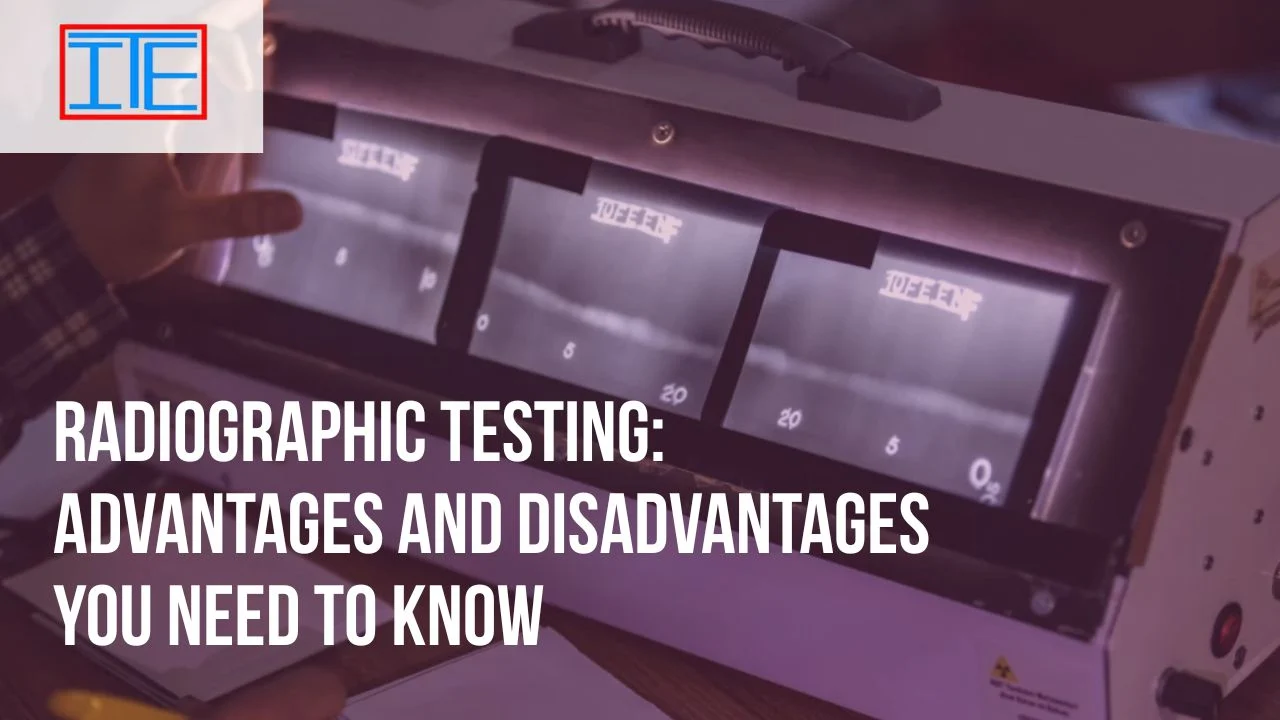
During a radiography test, radiation passes through the material and creates an image on film or digital detectors. Based on the density variations in that image, technicians can identify internal defects like:
- Porosity
- Cracks
- Voids
- Inclusions
- Lack of fusion or penetration in welds
At ITE Noida, we provide both traditional radiography and advanced digital radiography, depending on project requirements, industry standards, and inspection depth needed.
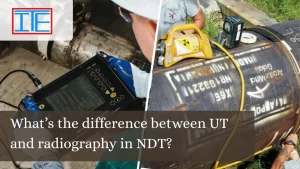
Also Read : What’s the difference between UT and radiography in NDT?
Advantages of Radiography Testing
1. Detects Internal and Hidden Defects with High Accuracy: One of the biggest advantages of ndt radiography is its ability to reveal internal flaws that are invisible to the naked eye. This makes it ideal for critical structures where even microscopic defects can cause major failures.
2. Produces Permanent Inspection Records: Radiography provides visual, easy-to-understand images. Whether using film or digital radiography, you get a permanent record of the inspection that can be stored, reviewed, or shared whenever needed.
3. Minimal Surface Preparation Required: Unlike some NDT methods that require surface cleaning, roughness removal, or coating removal, radiography testing ndt demands very little preparation. This not only saves time but also reduces inspection costs.
4. Suitable for a Wide Range of Materials and Thicknesses: From thin aluminum sheets to thick steel components, the radiography test works effectively across different material types and thickness levels. It is also suitable for complex shapes and joints.
5. Detects Both Volumetric and Planar Defects: Some NDT methods struggle to detect certain defect types. However, radiography excels in identifying:
- Gas porosity
- Slag inclusions
- Cracks
- Internal misalignments
- Shrinkage defects
This makes it highly reliable for weld inspections in industries such as oil & gas, manufacturing, aerospace, and construction.
Disadvantages of Radiography Testing
1. Radiation Safety Concerns: The biggest challenge of radiography ndt is the use of ionizing radiation. Strict safety measures, controlled areas, and trained personnel are essential to prevent exposure. This may increase inspection time and cost.
2. Not Ideal for Very Thick Components: Although radiography works for many materials, extremely thick sections can absorb too much radiation, resulting in unclear images. In such cases, ultrasonic testing may be a better alternative.
3. Requires Stopping Work in Inspection Areas: Because of radiation safety zones, nearby work often must be halted during the inspection. This can affect productivity in busy industrial environments.
4. High Equipment and Operating Costs: X-ray machines, gamma sources, and digital detectors can be expensive to purchase and maintain. This makes radiography testing ndt costlier compared to basic NDT techniques.
5. Limited Ability to Detect Some Types of Defects: While excellent for volumetric defects, radiography may struggle to detect very fine cracks that do not cause density variation.
Radiography ndt is a crucial method for inspecting the internal quality of materials without causing any damage. With its ability to provide clear and permanent images of hidden defects, it remains one of the most trusted NDT techniques across industries. At ITE Noida, we provide reliable radiography testing ndt services with a strong focus on safety, precision, and customer satisfaction. Whether you need weld inspection, casting analysis, or structural integrity assessments, our expert team ensures that you get accurate results every time.
If you’re looking for a dependable inspection partner, ITE Noida is always ready to support your project with advanced technology and a human-friendly approach.