
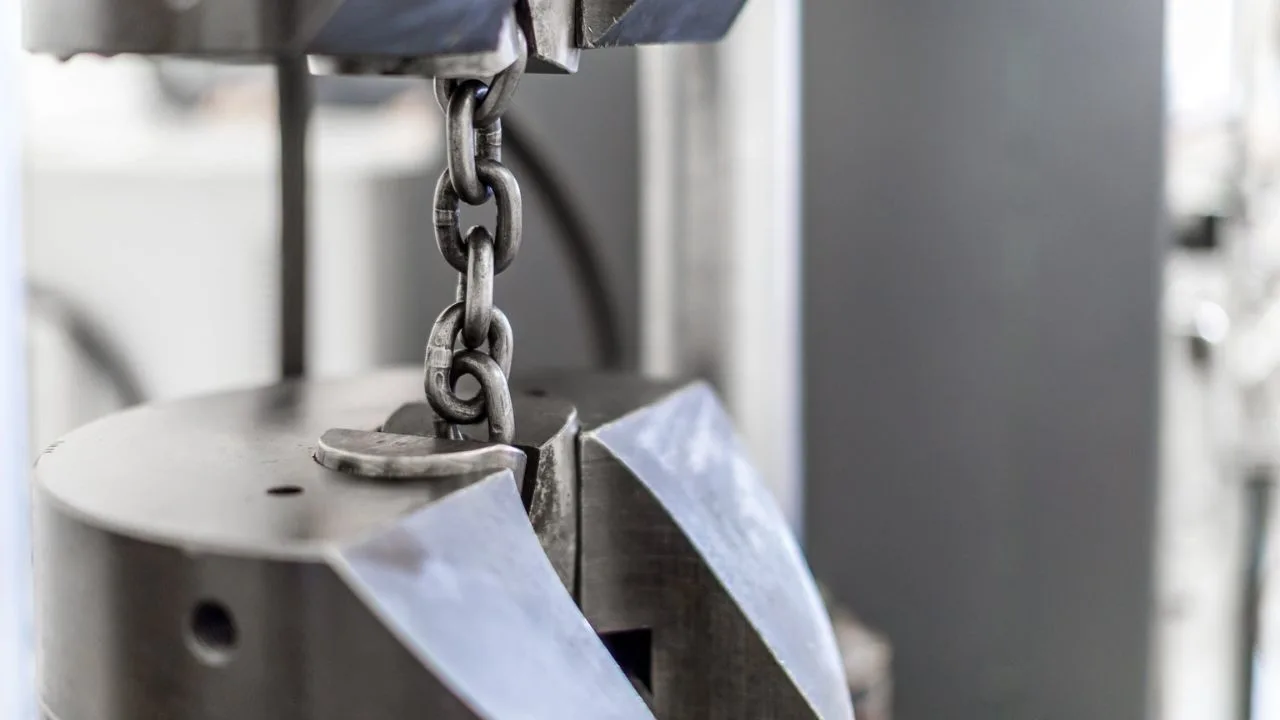
One of the most important methods used to measure the strength and ductility of materials is tensile testing. It helps engineers, manufacturers, and quality professionals determine whether a material meets the required specifications for its intended application. When it comes to reliable and accurate tensile strength testing, ITE Noida is a trusted name that continues to offer high-quality testing services. Our expertise ensures that every material is tested under precise conditions following globally recognized standards.
What is Tensile Testing
Tensile testing is a mechanical test that measures how a material behaves when it is stretched under controlled conditions. It provides key insights into material properties such as tensile strength, yield strength, elongation, and reduction of area. The test is conducted on a wide range of tensile test materials including metals, plastics, composites, rubber, textiles, and even advanced materials used in aerospace or construction.
Most Widely Used Standards in Tensile Testing
Below are the ten most commonly followed standards in tensile testing across various industries.
- ASTM E8/E8M – Standard Test Methods for Tension Testing of Metallic Materials: This is one of the most widely used standards for tensile strength testing of metals. It defines the test procedure, specimen dimensions, and testing speed. ASTM E8/E8M helps determine yield strength, tensile strength, elongation, and reduction of area.
Industries like aerospace, automotive, and construction rely on this standard to ensure the structural reliability of metallic components. - ISO 6892-1 – Metallic Materials: Tensile Testing at Room Temperature: This international standard provides procedures for testing metals at ambient conditions. ISO 6892-1 is equivalent to ASTM E8 but is recognized globally, making it essential for international trade and quality assurance.
- ASTM D638 – Standard Test Method for Tensile Properties of Plastics: This standard is used for tensile test materials made from plastics. It specifies specimen shapes, dimensions, and the universal testing machine tensile test procedure for polymeric materials. It helps determine tensile strength, modulus of elasticity, and elongation—key parameters for evaluating the performance of plastic components.
- ISO 527 – Plastics: Determination of Tensile Properties: ISO 527 is similar to ASTM D638 but used internationally. It ensures consistency in testing results for plastic materials worldwide. Manufacturers of packaging, consumer goods, and automotive parts rely on this standard to ensure quality and compliance.
- ASTM E21 – Standard Test Methods for Elevated Temperature Tension Tests of Metallic Materials: Materials used in high-temperature applications—such as turbines, engines, and boilers—require special testing. ASTM E21 provides the methodology for testing metals under elevated temperatures to assess how their mechanical properties change with heat exposure.
- ISO 6892-2 – Tensile Testing at Elevated Temperature
This standard complements ISO 6892-1 by defining testing procedures for metallic materials at higher temperatures. It helps determine tensile strength, yield strength, and creep resistance under thermal stress. - ASTM D412 – Standard Test Methods for Vulcanized Rubber and Thermoplastic Elastomers
This standard is used for testing the tensile properties of rubbers and elastomers. It helps measure tensile strength, elongation at break, and modulus.
Products such as seals, gaskets, tires, and hoses are tested under this standard to ensure durability and performance. - ISO 37 – Rubber, Vulcanized or Thermoplastic: Determination of Tensile Stress-Strain Properties: ISO 37 is the international counterpart of ASTM D412 and provides detailed procedures for testing rubber materials. It ensures consistent and comparable results across laboratories globally.
- ASTM A370 – Standard Test Methods and Definitions for Mechanical Testing of Steel Products: For steel and steel-based components, ASTM A370 is one of the most commonly used standards. It includes methods for tensile strength testing, hardness, and impact testing. This standard is vital for structural, construction, and pipeline industries.
- ISO 1924-2 – Paper and Board: Determination of Tensile Properties: Even materials like paper and cardboard undergo tensile testing. ISO 1924-2 specifies how to measure tensile strength, elongation, and strain in paper materials. This is critical for packaging industries and quality assurance of paper products.
Also Read : Bridge Inspections —Everything You Need to Know
Importance of Tensile Test Standards
Adhering to international tensile test standards ensures that test results are accurate, and accepted across industries and countries. These standards define every aspect of the universal testing machine tensile test procedure, from specimen preparation to test speed and data analysis. ITE Noida plays a key role in this process by providing standardized tensile strength testing services. The company’s team of skilled engineers and technicians provide testing solutions that meet ASTM, ISO, and other international guidelines.
Tensile testing is one of the most effective methods for evaluating a material’s performance under stress. By adhering to globally accepted standards such as ASTM, ISO, and others, industries can maintain quality, safety, and compliance. ITE Noida is a leading name of material testing services, and continues to provide precise, reliable, and standard-compliant tensile strength testing for various materials. Whether it’s metals, plastics, rubber, or composites, their expertise ensures that every product meets the highest standards of performance and durability. Choosing ITE Noida means choosing accuracy, integrity, and excellence in material testing—ensuring your products are as strong and reliable as they’re designed to be.