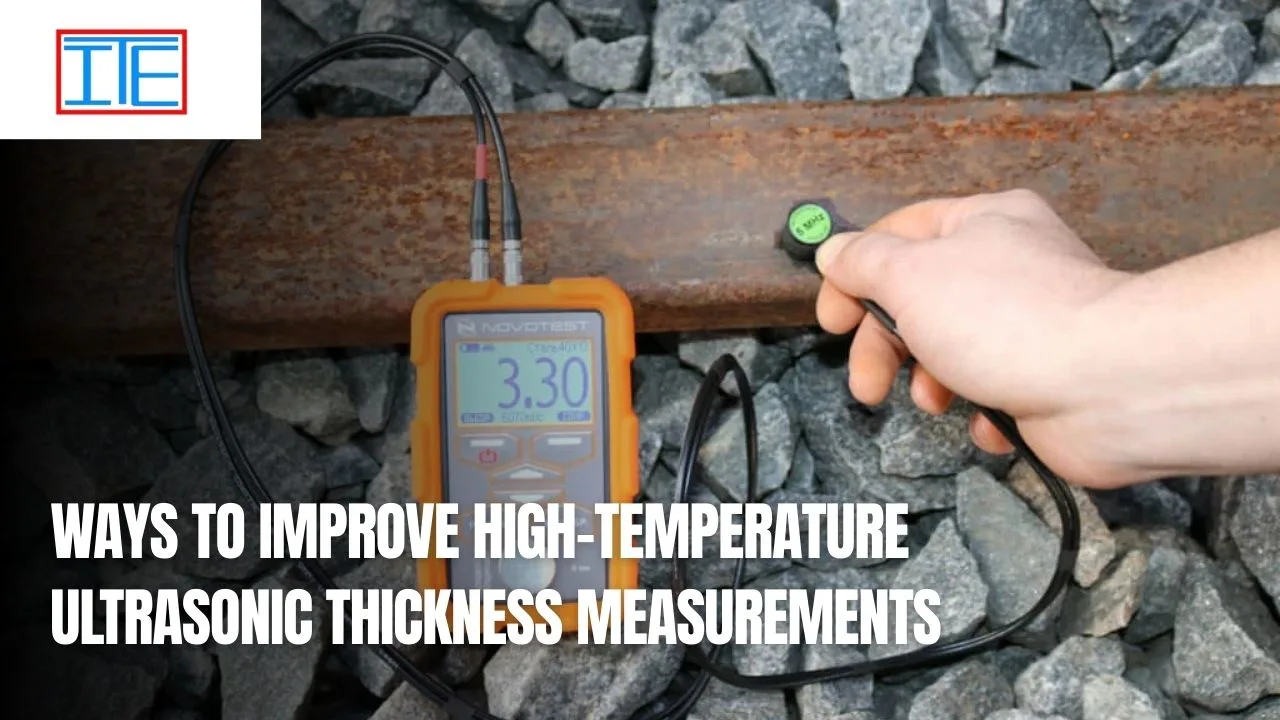
In industries such as power plants, petrochemicals, refineries, and heavy manufacturing, monitoring material thickness at elevated temperatures is critical for safety and performance. Ultrasonic thickness measurements play a vital role in detecting corrosion, erosion, and material degradation without shutting down operations. However, measuring thickness at high temperatures presents unique challenges that require proper techniques, equipment, and expertise. ITE Noida offers reliable solutions to improve accuracy and consistency in demanding environments.
What Is the Minimum Thickness for Ultrasonic Testing
The minimum measurable thickness depends on probe frequency, material type, and surface condition. Typically, most ultrasonic thickness measurements can accurately detect thicknesses as low as 0.5 mm when using high-frequency probes.
For thin materials at high temperatures, a specialized ut thickness gauge with higher resolution is required. ITE Noida offers instruments designed to handle both thin materials and extreme heat conditions without compromising accuracy.
Ways to Improve Accuracy at High Temperatures
- Use High-Temperature Probes: Standard probes are not designed for extreme heat. Using specially designed high-temperature probes helps protect the sensor and maintain stable signal transmission. These probes are essential for accurate ultrasonic thickness measurements above normal operating limits.
- Select the Right Couplant: At elevated temperatures, regular couplants evaporate quickly. High-temperature couplants or dry-coupled probes improve contact and signal transmission. This is especially important when using an ultrasonic thickness tester in live plant conditions.
- Apply Temperature Compensation: Material sound velocity changes with temperature. Adjusting the velocity settings in the ultrasonic thickness gauge ensures accurate readings. Many advanced ultrasonic metal thickness tester models allow real-time calibration.
- Limit Probe Contact Time: Prolonged contact with hot surfaces can damage probes and affect readings. Short, consistent contact times help protect the equipment and maintain measurement accuracy.
- Use Multiple Readings: Taking multiple measurements at the same location helps verify accuracy. Averaging these readings reduces the impact of temperature fluctuations and surface irregularities.
Importance of Choosing the Right Ultrasonic Thickness Tester
A high-quality ultrasonic thickness tester ensures accuracy, reliability, and operator safety. While many users compare the ultrasonic thickness gauge price, long-term performance and durability should be the primary focus.
Features:
- High-temperature tolerance
- Clear digital display
- Data logging capability
- Adjustable sound velocity
- Strong after-sales support
ITE Noida offers cost-effective solutions that balance performance and value.
Also Read : Third-Party Inspection: Definition, Process, Benefits and Preparations
Importance of Equipment Quality
Using a reliable ultrasonic thickness tester significantly improves measurement accuracy in harsh environments. Factors such as display clarity, data logging, temperature tolerance, and calibration options directly impact performance.
Many buyers also consider the ultrasonic thickness gauge price, but it is important to focus on value rather than cost alone. A durable, accurate instrument reduces downtime, maintenance costs, and safety risks. ITE Noida offers competitively priced solutions without compromising on quality or performance.
Why Choose ITE Noida?
ITE Noida is a trusted provider of non-destructive testing solutions. We provide advanced ultrasonic thickness gauge systems, accessories, and expert technical guidance for high-temperature applications. Our commitment to quality and innovation makes them a preferred choice across industries.
Improving high-temperature ultrasonic thickness measurements requires the right equipment, proper techniques, and experienced handling. By using high-temperature probes, correct calibration, and reliable instruments such as an ultrasonic metal thickness tester, industries can ensure accurate inspections without compromising safety. With solutions from ITE Noida, organizations can confidently perform ultrasonic testing even in extreme operating environments.