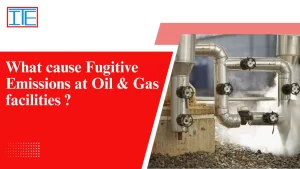
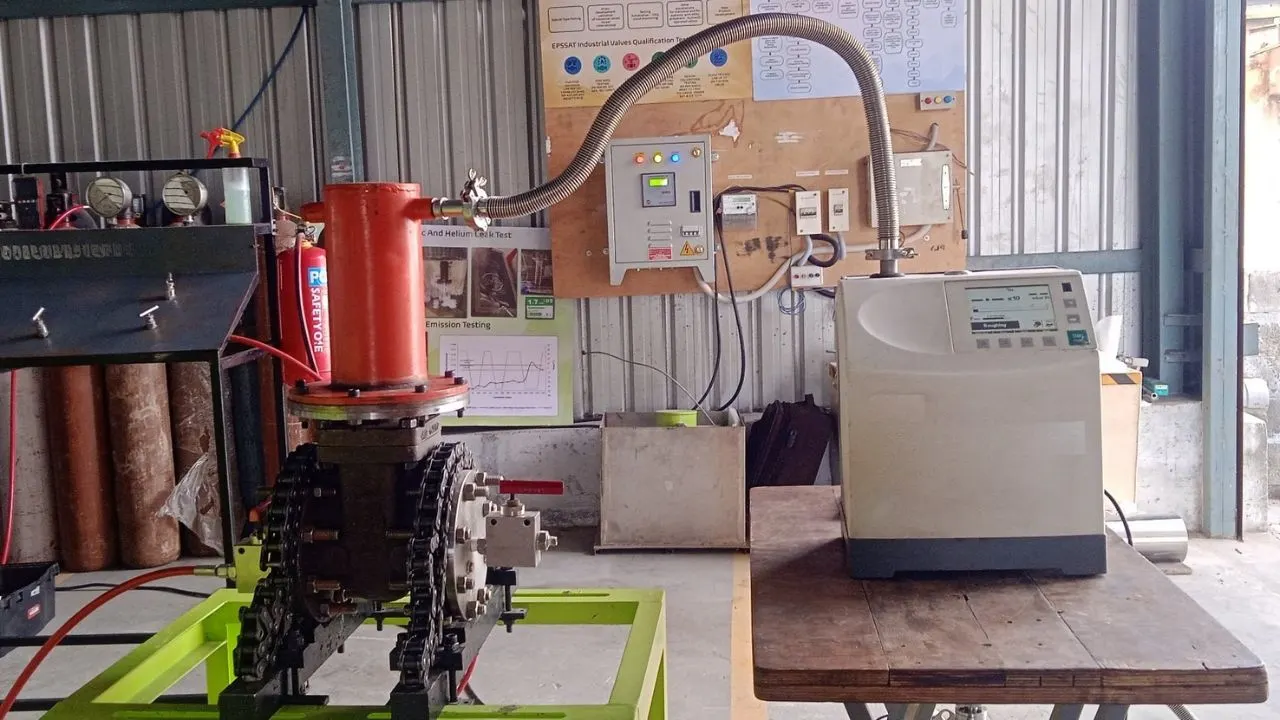
One of the most critical yet often overlooked aspects of air pollution is fugitive emissions. These unintentional releases of gases or vapors from pressurized equipment can significantly impact both the environment and workplace safety. ITE Noida provides advanced solutions to detect, control, and prevent such emissions through innovative monitoring systems and preventive maintenance strategies. We understand these challenges and offer comprehensive detection and control systems tailored to specific industrial environments. Our expertise in fugitive emissions monitoring ensures accurate detection and effective mitigation strategies.
What are Fugitive Emissions?
Fugitive emissions are unintended leaks or releases of gases or vapors from equipment such as valves, pumps, compressors, flanges, and storage tanks in industrial facilities. Unlike emissions released through a designated exhaust system or stack, fugitive emission sources are often dispersed and difficult to detect without specialized tools.
Industries such as oil and gas, chemical manufacturing, pharmaceuticals, and power generation are the most prone to these emissions. Regular fugitive emissions monitoring helps detect these leaks early, preventing potential harm to the environment and reducing the risk of explosions or worker exposure to toxic substances.
Causes of Fugitive Emissions
There are several causes behind fugitive emissions, including:
- Equipment Wear and Tear – Over time, seals, gaskets, and joints degrade, leading to gas or vapor leaks.
- Improper Installation or Maintenance – Incorrectly installed or poorly maintained components increase the chances of leaks.
- Pressure and Temperature Fluctuations – Sudden changes can cause material expansion or contraction, resulting in cracks or loose fittings.
- Human Error – Inadequate training or failure to follow safety protocols can also lead to emissions.
- Aging Infrastructure – Older facilities without updated technology are more prone to leakage problems.
Fugitive Emissions Monitoring Techniques
Detecting fugitive emissions can be challenging since leaks are often invisible and odorless. However, several advanced methods are available for effective monitoring:
- Optical Gas Imaging (OGI): Infrared cameras help visualize gas leaks in real-time, even from a distance.
- Leak Detection and Repair (LDAR) Programs: Regular inspections and maintenance schedules designed to detect and fix leaks promptly.
- Ultrasonic Detectors: These devices detect the sound of gas escaping from a pressurized system.
- Gas Analyzers: Instruments that measure gas concentrations to locate and quantify leaks.
- Continuous Emission Monitoring Systems (CEMS): Automated systems that provide real-time data on emissions from various points in a plant.
Also Read : Inspection and Testing for Welding Procedure Qualification
How to Avoid Leaks and Control Fugitive Emissions
Preventing fugitive emissions requires a combination of good engineering practices, preventive maintenance, and advanced technology. Some key steps include:
- Regular Inspection and Maintenance: Schedule routine checks of valves, pumps, and flanges to identify early signs of wear or damage.
- Employee Training: Ensure workers understand leak detection methods, reporting systems, and proper maintenance protocols.
- Upgrading Equipment: Replace old components with high-quality, leak-proof materials designed for modern industrial conditions.
- Implementing LDAR Programs: Establish a structured Leak Detection and Repair program using modern fugitive emissions monitoring systems.
- Use of Seal-less Technology: Magnetic drive pumps or double mechanical seals reduce leakage potential.
ITE Noida continues to provide reliable, innovative, and cost-effective solutions for detecting and controlling fugitive emission leaks. Their commitment to environmental excellence ensures industries can operate responsibly while protecting both people and the planet. Effective fugitive emissions monitoring helps industries stay compliant, safe, and efficient while contributing to global efforts to reduce air pollution. We provide cutting-edge monitoring tools and data-driven solutions that allow industries to detect and control emissions efficiently.