ITE Noida works closely with industries to understand not just regulatory requirements, but the real, on-ground challenges faced by Oil & Gas facilities every day. One of the most persistent and often underestimated challenges is controlling fugitive emissions. These emissions quietly escape equipment, pipelines, and systems, impacting safety, environment, and operational efficiency. Understanding what causes them is the first step toward effective control.
What Causes Fugitive Emissions at Oil & Gas Facilities?
In the Oil & Gas sector, emissions are not always released intentionally through stacks or vents. A significant portion comes from unintended leaks known as fugitive emissions. These are accidental releases of gases or vapors—mainly hydrocarbons like methane and volatile organic compounds (VOCs)—that escape during production, processing, storage, and transportation.
Fugitive Emission Are Produced By Equipment Leaks
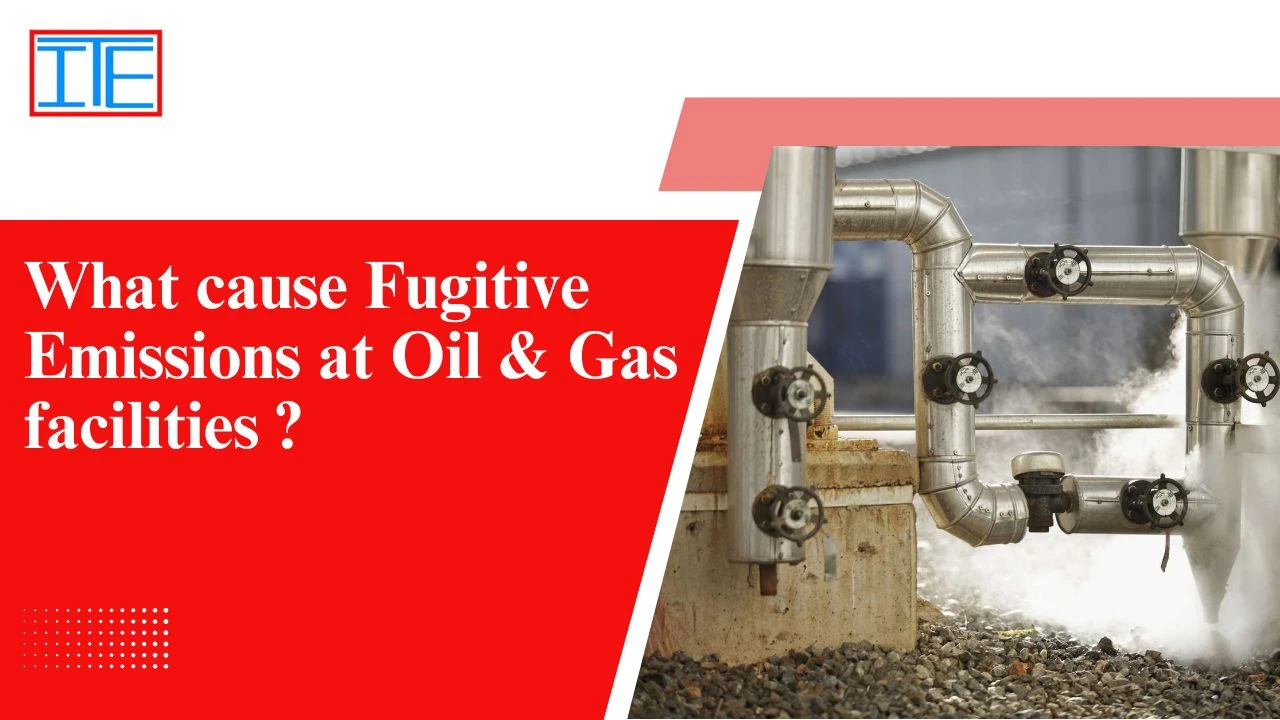
One of the primary answers to why fugitive emissions are produced by Oil & Gas facilities lies in equipment leakage. Common sources include:
- Valves: Frequent opening and closing causes wear on seals.
- Flanges and connectors: Bolted connections can loosen due to vibration and thermal expansion.
- Pumps and compressors: Shaft seals and packing materials degrade over time.
- Pressure relief devices: Improper seating can lead to continuous leakage.
Even minor leaks in these components can result in continuous emissions if left unaddressed.
Also Read : Stepwise Guide to Conducting a Vacuum Leak Test on Packaging
Cracks Emissions Oil and Gas Facilities Face Over Time
A major contributor to cracks emissions oil and gas facilities experience is material fatigue. Pipelines and equipment are exposed to harsh operating environments—corrosive fluids, extreme temperatures, and constant pressure changes. Over time, this leads to:
- Hairline cracks in pipelines
- Seal hardening and loss of elasticity
- Corrosion under insulation
- Stress fractures in metal components
These cracks may not cause immediate failure, but they allow gases to seep out gradually, creating persistent fugitive emissions.
Operational Practices and Human Factors
Not all fugitive emissions come from equipment failure alone. Operational practices also play a role. These include:
- Improper installation of valves and fittings
- Over-tightening or under-tightening of flanges
- Inadequate torque control
- Incorrect startup and shutdown procedures
Human error during maintenance or operation can unintentionally create leak paths, increasing fugitive emission oil and gas losses.
Why Fugitive Emissions Are a Serious Concern
The impact of fugitive emissions goes far beyond regulatory penalties. Methane, a major component of these emissions, is a potent greenhouse gas. Even small leaks contribute to climate change and reduce product recovery.
From a business perspective, fugitive emissions mean:
- Loss of valuable product
- Increased safety risks due to flammable gas buildup
- Higher compliance and monitoring costs
- Damage to company reputation
The Role of ITE Noida in Emission Management
ITE Noida focuses on helping Oil & Gas facilities reduce losses and improve environmental performance. By combining technical expertise with a human-centered approach, our company helps clients identify root causes rather than just symptoms.
ITE Noida offers reliable solutions for monitoring, detection, and management of fugitive emissions, ensuring compliance while also improving efficiency and safety. By understanding how fugitive emissions are produced by everyday operations and equipment, companies can take smarter, preventive actions. With the right technology, regular maintenance, and a trusted partner like ITE Noida, controlling fugitive emission oil and gas challenges becomes not just possible but sustainable in the long run. Fugitive emissions may be silent, but addressing them speaks volumes about a company’s commitment to safety, efficiency, and environmental responsibility.