ITE Noida is a trusted name in the industrial manufacturing and metal processing sector, we deliver reliable and high-quality thermal solutions. In modern industries where strength, durability, and performance of metals matter the most, understanding heat treatment becomes essential. This process plays a vital role in improving the physical and mechanical properties of metals used across automotive, construction, aerospace, and heavy engineering industries.
What is Heat Treatment Process
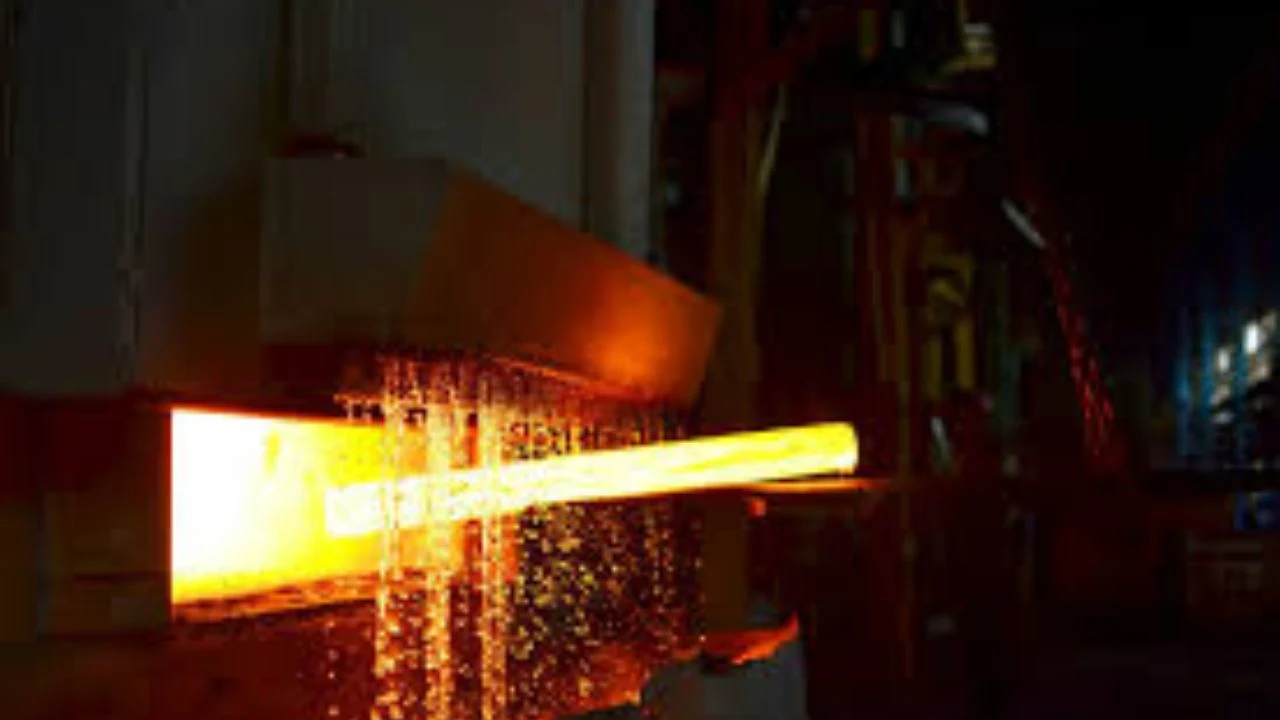
The heat treatment process is a controlled industrial method in which metals or alloys are heated and cooled under specific conditions to change their internal structure. The main goal of heat treatment is to enhance properties such as hardness, strength, toughness, ductility, and resistance to wear or corrosion—without changing the metal’s shape. Temperature, heating time, cooling rate, and atmosphere are all precisely controlled to achieve the desired results.
Why Heat Treatment Is Important
In industrial applications, raw metals often do not have the required properties for direct use. The heat treatment process helps tailor metals to suit specific working conditions. For example, some components require high hardness to resist wear, while others need toughness to absorb shock and vibration.
Industries rely on heat treatment processes to:
- Improve mechanical strength
- Reduce internal stresses
- Enhance machinability
- Increase service life of components
Without proper heat treatment, metal parts may fail prematurely, leading to safety risks and higher maintenance costs.
Also Read : Helium Leak Testing: A Comprehensive Guide, Methods, and Applications
Common Heat Treatment Processes
There are several types of heat treatment used in manufacturing, each serving a unique purpose. Selecting the right types of heat treatment process depends on the material and its intended application.
1. Annealing
Annealing involves heating the metal to a specific temperature and then cooling it slowly. This process softens the metal, improves ductility, and relieves internal stresses. It is widely used before machining or forming operations.
2. Normalizing
In normalizing, the metal is heated and then cooled in air. This heat treatment process refines grain structure and improves mechanical properties, making the material more uniform and stable.
3. Hardening
Hardening is one of the most commonly used heat treatment processes. The metal is heated to a high temperature and then rapidly cooled (quenched) in water, oil, or air. This increases hardness and strength, especially in steel components.
4. Tempering
Tempering is done after hardening to reduce brittleness. The metal is reheated to a lower temperature and cooled again. This balances hardness and toughness, making components safer and more reliable.
5. Case Hardening
Case hardening is among the specialized types of heat treatment where only the surface of the metal is hardened, while the core remains tough. This is ideal for gears, shafts, and automotive parts that require wear resistance with internal strength.
Types of Heat Treatment Used in Industry
Different industries use different types of heat treatment processes based on their performance needs. Some commonly applied methods include:
- Carburizing
- Nitriding
- Induction hardening
- Flame hardening
Each of these heat treatment processes is designed to modify specific surface or core properties of metal components.
Benefits of Heat Treatment Process
The benefits of a well-executed heat treatment process go beyond just improving metal strength. Key advantages include:
- Improved durability: Treated metals last longer under stress
- Enhanced wear resistance: Ideal for moving and load-bearing parts
- Better performance: Components perform reliably in extreme conditions
- Cost efficiency: Reduces failure, repair, and replacement costs
By choosing the right types of heat treatment, manufacturers can significantly improve product quality and operational efficiency.
Applications of Heat Treatment
The heat treatment process is widely used across multiple industries:
- Automotive components like gears, shafts, and axles
- Construction tools and machinery parts
- Aerospace structural and engine components
- Heavy engineering and manufacturing equipment
These applications rely on specific types of heat treatment to ensure strength, safety, and reliability.
Role of ITE Noida in Heat Treatment Solutions
ITE Noida delivers dependable and advanced industrial solutions. Our company offers professional heat treatment services using modern equipment and strict quality control standards. With a deep understanding of various heat treatment processes, ITE Noida ensures that every component meets industry specifications and customer requirements.
From selecting the most suitable types of heat treatment process to executing it with precision, ITE Noida focuses on consistency, safety, and long-term performance. Our experienced team works closely with clients to offer customized solutions for diverse industrial applications.
Heat treatment is a crucial step in modern manufacturing that enhances the quality and performance of metal components. By understanding the heat treatment process, selecting the right types of heat treatment, and applying suitable types of heat treatment process, industries can achieve superior results. ITE Noida plays an important role in this field as they offer reliable and efficient heat treatment processes that support long-lasting and high-performance industrial solutions.