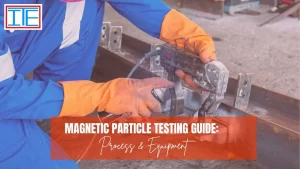
ITE Noida has been a trusted name in the non-destructive testing (NDT) industry, we deliver high-quality inspection services to ensure structural safety and material reliability. Magnetic Particle Inspection (MPI) remains one of the most widely used and effective methods for detecting surface and near-surface discontinuities in ferromagnetic materials. Whether it is for manufacturing, aerospace, automotive, oil and gas, or heavy engineering sectors, ITE Noida continues to offer advanced inspection services that meet global quality standards.
Magnetic Particle Inspection is used exclusively for materials that can be magnetized, such as iron, nickel, cobalt, and their alloys. The purpose of this method is to identify cracks, seams, laps, voids, and other discontinuities that may lead to material failure. The inspection is highly effective because it detects defects that may not be visible to the naked eye, especially those located just beneath the surface. MPI provides a clear advantage over several other methods due to its simplicity and high level of accuracy.
How Does Mag Particle Inspection Work?
The process of mag particle inspection involves a series of steps designed to make defects stand out clearly during evaluation. Here is a simple breakdown of how it works:
- Surface Preparation: The surface of the component is cleaned to remove dirt, grease, or paint. A smooth, clean surface allows better visibility of the indications formed by magnetic particles.
- Magnetization: Current is passed through or around the material, creating a magnetic field. This magnetic field flows within the component and reacts with any structural flaws.
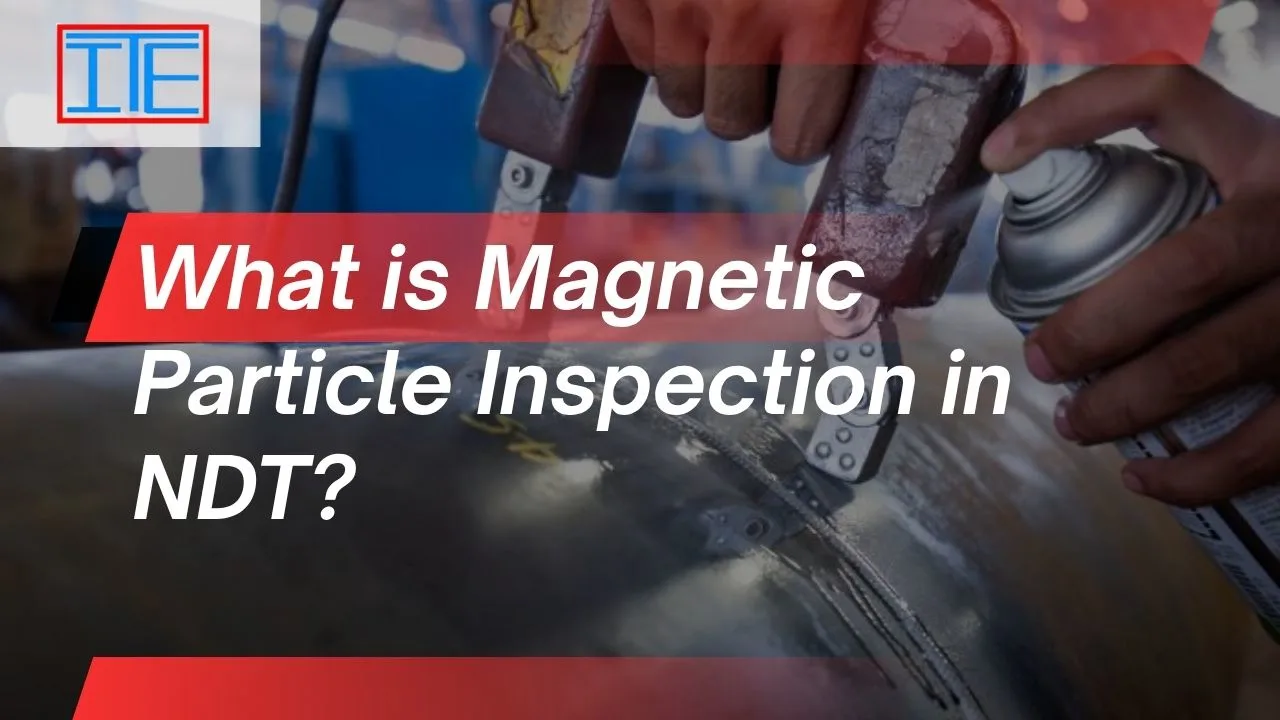
- Application of Magnetic Particles: Magnetic particles—either dry or suspended in a liquid—are applied. For high sensitivity, inspectors often use wet magnetic particle testing, which ensures the particles flow easily into even the smallest openings.
- Observation of Indications: If a crack or flaw is present, the magnetic field leaks out at that point, causing the magnetic particles to gather and highlight the defect. These indications are then visually inspected.
- Demagnetization and Cleaning: After inspection, the component is demagnetized to avoid interference with nearby equipment or machining processes, and the surface is cleaned again.
ITE Noida uses advanced MPI equipment and skilled technicians to offer highly accurate inspections for various industries.
Also Read : Radiography Testing: Advantages and Disadvantages you need to know
Types of Magnetic Particle Inspections
There are two primary methods used in MPI:
- Dry Magnetic Particle Testing: This method uses fine, dry magnetic particles dusted over the magnetized surface. It is especially useful for overhead or outdoor inspections and high-temperature components.
- Wet Magnetic Particle Testing: Wet magnetic particle testing offers greater sensitivity and provides clearer, more visible results, making it ideal for detecting smaller or finer defects.
Both methods are widely used in industries where safety, reliability, and precision matter most.
Advantages of Mag Particle Testing
- Highly Sensitive Technique: MPI can detect tiny flaws both on the surface and just below it, ensuring accurate quality assessment.
- Fast and Cost-Effective: The process is quick and requires less expensive equipment compared to other NDT methods.
- Simple to Perform: With proper training and equipment, technicians can perform mag particle testing efficiently onsite or in a workshop.
- Clear Visual Indications: Defects become visibly highlighted, making interpretation easy.
- Ideal for Ferromagnetic Materials: Where ultrasonic or radiographic methods may struggle, MPI works exceptionally well.
ITE Noida’s expertise ensures that industries receive reliable inspection results, helping prevent failures and maintain safety.
Applications of MPI Testing
MPI testing is widely used across industries such as:
- Automotive Industry – Checking engine blocks, crankshafts, camshafts
- Aerospace Sector – Evaluating critical aircraft components
- Oil & Gas Industry – Inspecting pipelines, drilling equipment
- Fabrication & Welding – Examining weld joints for quality assurance
- Railway Engineering – Checking axles, wheels, and couplings
The method’s speed and accuracy make it a preferred choice for detecting defects in high-risk components.
Magnetic Particle Inspection is one of the most dependable techniques in the NDT field for detecting surface and near-surface flaws in ferromagnetic materials. With its ability to identify even the smallest imperfections, magnetic testing helps industries maintain high standards of safety and performance. ITE Noida continues to lead the way by using advanced technology and skilled professionals to offer highly reliable mag particle testing, mpi testing, and wet magnetic particle testing services. Our commitment to precision and customer satisfaction has made them a trusted name in mag particle inspection across various industries.