In today’s world, reliability, and efficiency are the pillars of industrial growth. Whether it is in construction, aerospace, oil and gas, or manufacturing, industries rely on advanced methods to ensure their equipment and structures are functioning at their best. One such essential technique is Non-Destructive Testing (NDT). At ITE Noida, we understand the importance of NDT testing and its role in industries ranging from heavy engineering to bridge inspection services. Our team works closely with clients to ensure they get accurate, reliable, and timely testing solutions.
What Is Non-Destructive Testing (NDT)?
Non-Destructive Testing (NDT) refers to a range of techniques used to the properties, performance, and safety of a material, structure, or component without causing any harm to it. Unlike destructive testing, which involves breaking or altering the object to test its limits, NDT ensures that the object remains intact and functional after testing.
Applications of NDT Testing
The versatility of NDT is one of its strongest features. Some of the most common applications include:
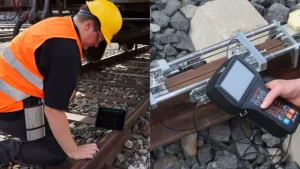
- Bridge Inspection Services: Ensuring the safety of bridges by detecting corrosion, cracks, or structural weaknesses.
- Aerospace Industry: Checking airplane wings, engines, and critical parts for defects.
- Oil and Gas: Inspecting pipelines and storage tanks to prevent leaks and explosions.
- Construction: Testing building materials, columns, and welds to meet safety standards.
- Manufacturing: Quality control for products before they hit the market.
Common Methods of Non-Destructive Testing (NDT)
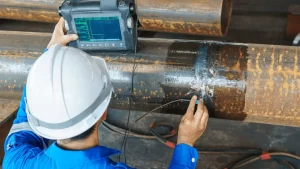
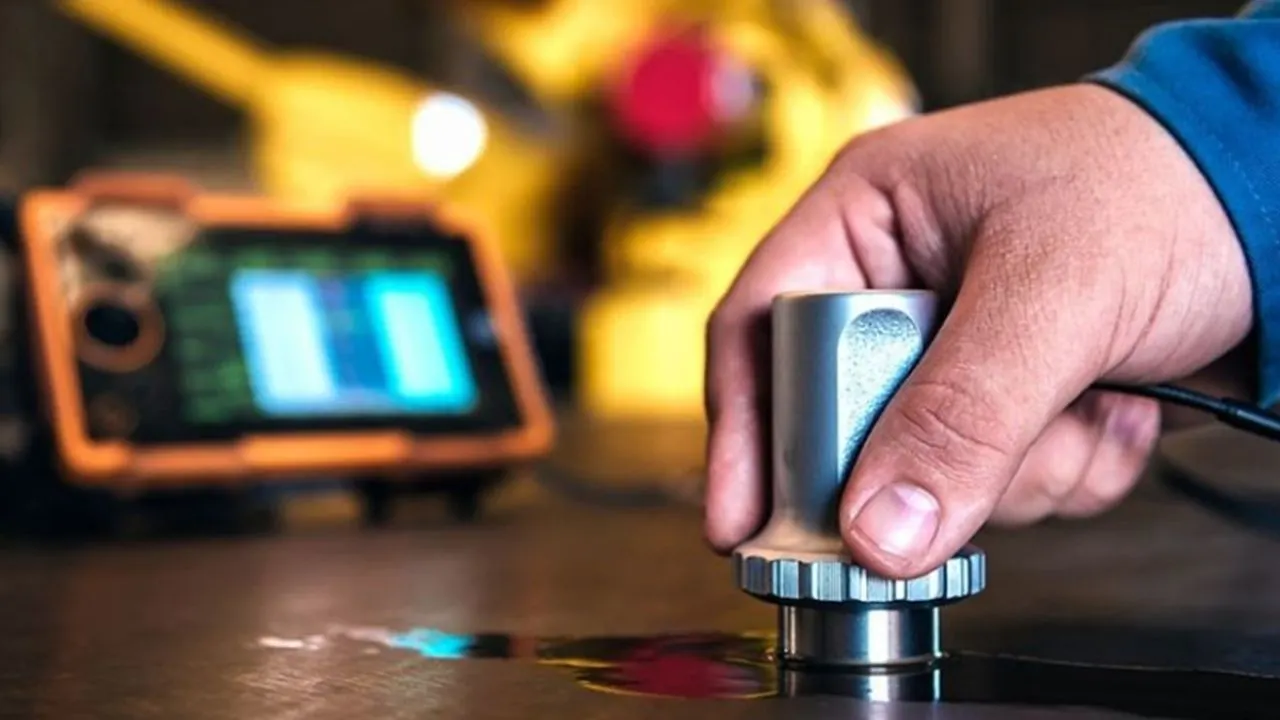
- Ultrasonic Testing (UT): Sound waves are sent through the material to detect internal flaws. It is commonly used in pipelines, aircraft parts, and weld inspections.
- Radiographic Testing (RT): This method uses radiation to create images of the inside of a structure. It’s highly effective for detecting cracks, voids, and inclusions.
- Magnetic Particle Testing (MPT): This method uses magnetic fields and particles to find surface and near-surface defects in magnetic materials.
- Dye Penetrant Testing (DPT) : A dye solution is applied to the surface of the material, which highlights pores that are invisible to the eye.
- Visual Inspection (VT) : Sometimes, the most effective tool is the trained human eye. With advanced tools like drones, visual inspections have become even more precise.
Each of these methods serves a specific purpose, and experts at ITE Noida guide clients to choose the best technique based on their project requirements.
Also Read: Everything you must know about Advanced Non Destructive Testing
Why Choose ITE Noida for NDT Services?
Our team consists of skilled professionals with years of practical expertise in NDT. We use modern tools and equipment to ensure accurate and reliable results. Every project is unique, and we adapt our testing methods to match the specific needs of our clients. At ITE Noida, we believe in more than just technical solutions, we believe in creating long-term partnerships with clients by understanding their challenges and offering effective solutions.
At ITE Noida, we are committed to offering the best NDT Test with a personal touch. Our team doesn’t just test materials, we protect lives, ensure safety, and build trust every step of the way. As industries continue to evolve, the demand for safe, cost-effective, and efficient testing methods will only increase. NDT can detect hidden flaws that might not be visible to the naked eye. This is vital for structures like bridges, pipelines, and pressure vessels.