ITE Noida is a trusted company that offers advanced material testing solutions for industrial and engineering applications. Among the various mechanical testing methods used in industries, tensile testing is one of the most important processes for evaluating material strength, durability, and performance. Whether it is metal, plastic, rubber, composite material, or industrial components, tensile testing helps manufacturers understand how materials behave under applied force.
Accurate testing results depend heavily on proper sample setup and testing procedures. A correctly prepared tensile test sample ensures reliable measurements and minimizes testing errors. Industries such as construction, automotive, aerospace, manufacturing, and engineering depend on tensile testing to maintain quality standards and product safety.
What is Tensile Testing?
Tensile testing is a mechanical testing process used to measure how a material reacts when subjected to pulling or stretching forces. During the test, the material is gradually pulled until it breaks or deforms permanently.
This process helps determine important material properties such as tensile strength, yield strength, elongation, ductility, and fracture point. Industries use this information to evaluate whether a material is suitable for specific applications.
Importance of Tensile Testing
- Ensures Material Strength: Tensile testing helps measure the strength and durability of materials under pulling force, ensuring reliable performance in industrial applications.
- Improved Product Quality: A properly tested tensile test sample helps manufacturers maintain consistent product quality and reduce defects.
- Supports Safe Operations: Accurate testing ensures materials can handle operational stress safely, reducing the risk of failure or accidents.
- Helps in Material Selection: Engineers use tensile testing results to select suitable materials for construction, manufacturing, and engineering projects.
- Ensures Industry Compliance: Tensile testing helps industries meet national and international quality standards effectively.
Also Read : How Does Modern Mechanical Testing Work?
How to Tensile Test
- Sample Preparation: The first step in how to tensile test is preparing the material sample according to required dimensions and standards.
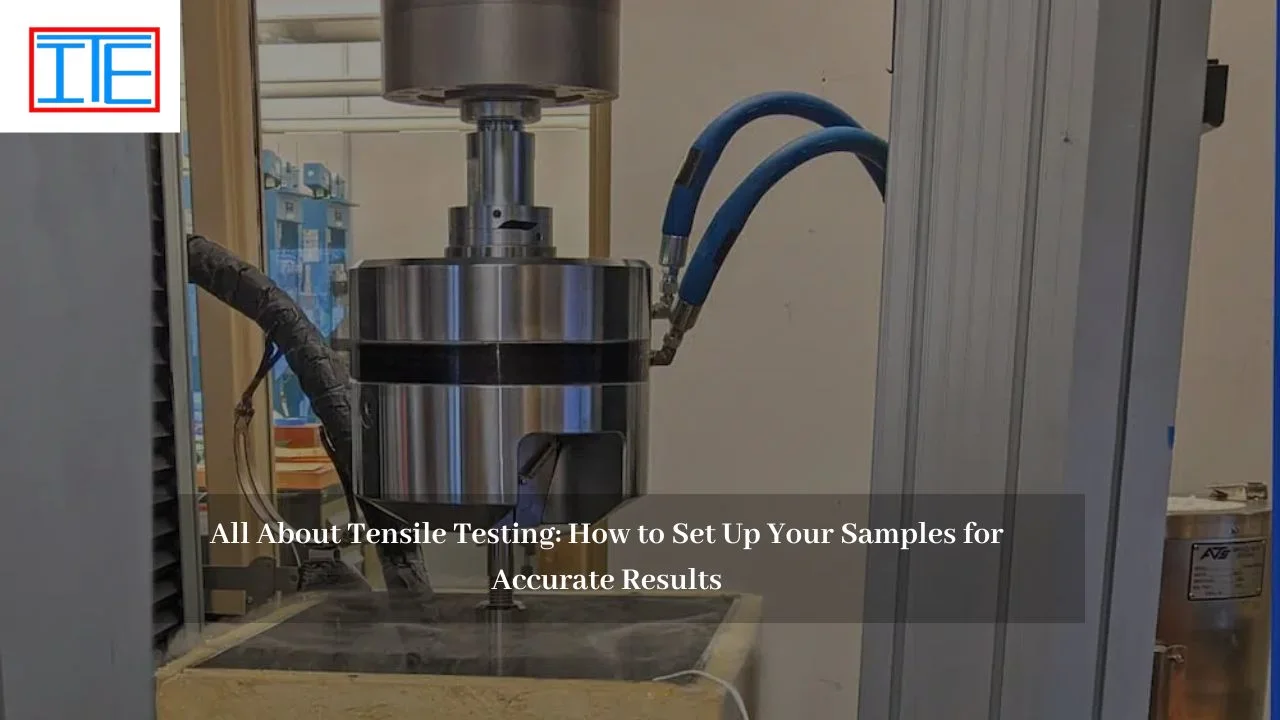
- Mounting the Sample: The prepared tensile test sample is securely placed inside the grips of the tensile testing machine. Proper gripping prevents slipping or uneven force application.
- Applying Load: The machine gradually applies pulling force to the sample. The load increases continuously until the material stretches, deforms, or breaks.
- Monitoring Material Behavior: During testing, the system records stress, strain, elongation, and other mechanical properties. Engineers analyze this data to evaluate material performance.
- Final Analysis: After the sample breaks, the test results are studied to determine tensile strength, yield point, and fracture characteristics.
Understanding how to tensile test correctly is important for achieving accurate and repeatable material evaluations.
Common Problems During Tensile Testing
- Improper Sample Preparation: Poor tensile test specimen preparation can result in inaccurate measurements and inconsistent results.
- Misalignment: Incorrect sample alignment may cause uneven stress distribution and premature failure.
- Surface Defects: Scratches, dents, or rough surfaces can weaken the tensile test sample during loading.
- Incorrect Machine Calibration: Improperly calibrated testing equipment may produce unreliable data.
- Slippage During Testing: If the sample is not gripped securely, slippage may affect the accuracy of results.
Applications of Tensile Testing
Tensile testing is widely used across many industries, including:
- Construction and infrastructure
- Automotive manufacturing
- Aerospace engineering
- Metal fabrication
- Plastic and polymer industries
- Electrical and electronics manufacturing
- Research laboratories
Each industry depends on accurate tensile test sample preparation and reliable testing procedures to maintain product performance and safety.
ITE Noida continues to provide professional material testing solutions using advanced equipment and industry-standard procedures. Our expertise in tensile test specimen preparation and testing services helps industries achieve accurate, reliable, and repeatable results.
From preparing high-quality tensile test samples to performing complete mechanical analysis, ITE Noida focuses on precision, quality, and operational excellence. A properly prepared tensile test sample allows engineers to make informed decisions about material selection and industrial applications. We continue to provide trusted tensile testing solutions that support industrial quality control and long-term performance.