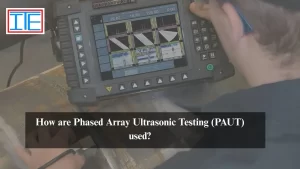
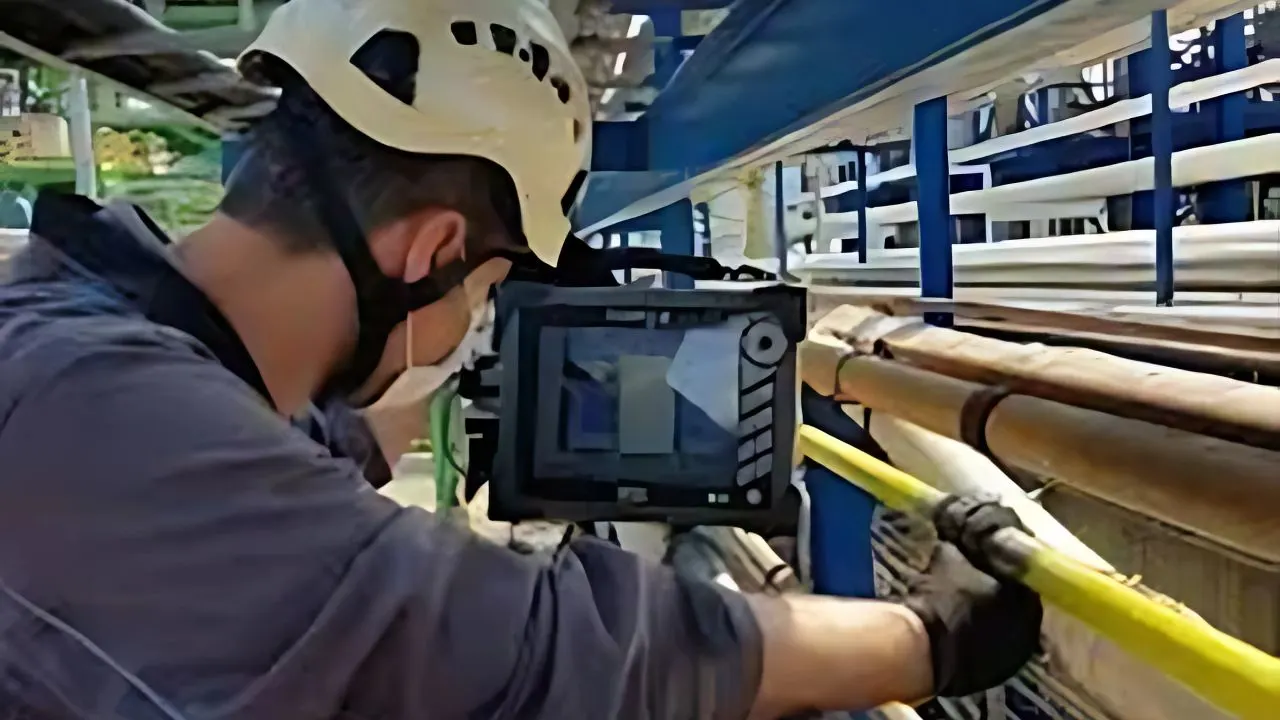
ITE Noida is a well-known name in the field, as we offer advanced NDT solutions, including high-quality paut testing services. Our expertise helps industries maintain safety standards while improving inspection efficiency. Among the most advanced techniques available today is phased array ultrasonic testing, commonly known as PAUT. We provide modern PAUT solutions that help industries achieve precise defect detection and detailed analysis.
Phased Array Ultrasonic Testing is an advanced form of ultrasonic testing that uses multiple ultrasonic elements and electronic time delays to control the direction and focus of sound waves. Unlike conventional ultrasonic testing, where a single probe sends sound waves in one direction, phased array ut allows operators to steer the beam at different angles without physically moving the probe.
How Does PAUT Work?
The working principle of paut testing is based on the transmission of ultrasonic waves into a material and analyzing the reflected signals. However, what makes PAUT unique is its ability to control these waves electronically.
1. Probe with Multiple Elements
A PAUT probe contains several small ultrasonic elements. Each element can be activated independently, allowing the system to generate multiple beams at different angles.
2. Beam Steering
By applying time delays to each element, the ultrasonic beam can be steered in different directions. This enables thorough scanning without moving the probe physically.
3. Data Collection
The sound waves travel through the material and reflect back when they encounter flaws such as cracks, voids, or inclusions.
4. Image Formation
The collected data is processed to create detailed images, making it easier to identify and analyze defects. This is one of the biggest advantages of phased array inspection.
ITE Noida offers advanced systems that ensure accurate data capture and clear imaging, helping industries make informed decisions.
Advantages of Phased Array Ultrasonic Testing
The popularity of phased array ultrasonic testing comes from its numerous benefits over traditional methods.
- High Accuracy: Phased array ut provides precise results, making it ideal for critical applications where safety is a priority.
- Faster Inspection: Since the beam can be electronically controlled, inspections can be completed more quickly compared to conventional methods.
- Detailed Imaging: PAUT generates real-time images of the internal structure, allowing better interpretation of results.
- Versatility: It can be used on a wide range of materials and components, including welds, and structural parts.
- Reduced Human Error: Automation in paut testing minimizes the chances of manual errors, ensuring consistent results.
ITE Noida offers reliable services that utilize these advantages to deliver high-quality inspection outcomes.
Applications of PAUT
Phased array inspection is widely used across multiple industries due to its efficiency and accuracy. Some common applications include:
- Oil and gas pipelines
- Power plants
- Aerospace components
- Shipbuilding industries
- Manufacturing units
ITE Noida offers customized phased array ultrasonic testing solutions tailored to specific industry needs.
Difference Between Conventional UT and PAUT
While both methods are used for ultrasonic testing, there are key differences:
- Conventional UT uses a single probe, while phased array ut uses multiple elements
- PAUT allows beam steering, whereas conventional UT requires manual probe movement
- PAUT testing provides detailed images, while traditional UT gives limited data
- Inspection speed is higher in phased array ultrasonic testing
These differences make PAUT a more advanced and preferred choice for modern industries.
Phased array ultrasonic testing (PAUT) is a powerful and advanced NDT method that offers high accuracy, speed, and detailed analysis. Its ability to detect flaws without damaging materials makes it an essential tool for modern industries. With experts like ITE Noida who offer reliable phased array ut services, businesses can ensure safety, quality, and efficiency in their operations. As technology continues to advance, PAUT will remain a cornerstone of industrial inspection and quality assurance.